
Zambia-Norway carbon deal set to unlock $420m for clean energy
 Moses
Moses
Zambia-Norway carbon deal set to unlock $420m for clean energy
Content Type: Free
By MUBITA KATETE
ZAMBIA has launched an ambitious carbon finance initiative expected to unlock up to $420 million in investment for the country’s power sector, marking a major step toward expanding renewable energy and stabilising electricity supply.
The initiative, known as the Carbon Feed-In Premium Programme (CFIP), was unveiled by the Ministry of Green Economy and Environment and is designed to accelerate the development of clean, grid-connected electricity projects particularly solar power supported by battery energy storage systems.
The programme will initially focus on delivering 300 megawatts of solar photovoltaic capacity, aimed at easing persistent energy shortages and reducing reliance on high-emission power sources.
Principal Public Relations Officer at the ministry Harriet Malambo Chimuka said this programme represents a transformative step in the country’s energy transition.
“By combining carbon finance with targeted policy support, we are creating a viable pathway for large-scale investment in renewable energy while ensuring energy security for households and industry,” Ms Chimuka said.
The CFIP introduces a results-based financing model that offers carbon payments for verified reductions in greenhouse gas emissions.
These payments will act as a financial “top-up” to existing power purchase agreements, helping bridge revenue gaps that have historically deterred private sector investment.
Developers in Zambia have long faced challenges such as limited bankability of the state-owned power utility Zesco and tariffs that often fail to deliver competitive returns.
As a result, many projects have struggled to secure financing.
“The CFIP is specifically designed to de-risk investments and improve project bankability. It sends a strong signal to financiers and developers that Zambia is ready to support sustainable energy projects at scale,” Ms Chimuka said.
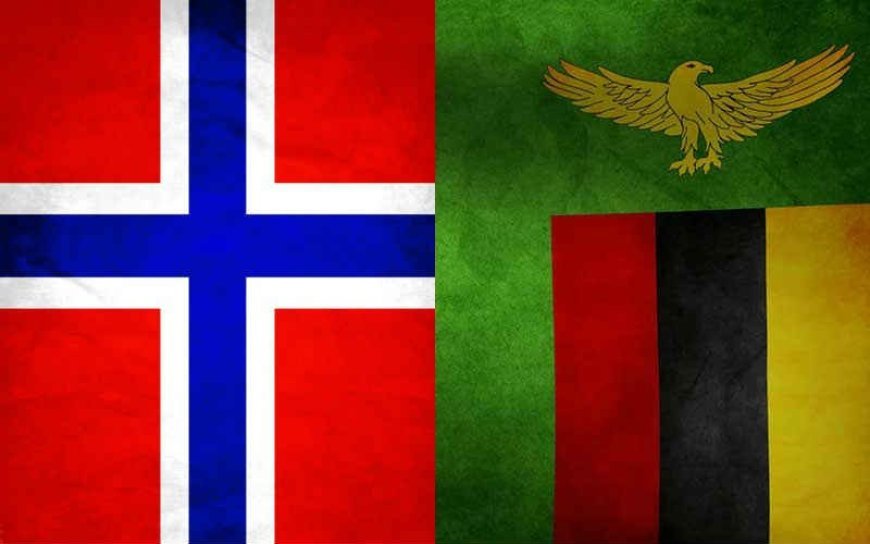
The programme is backed by a Mitigation Outcome Purchase Agreement (MOPA) signed between Zambia and Norway in January 2026.
The agreement is expected to generate between US$80 million and US$200 million in carbon finance through the trading of emissions reductions under Article 6 of the Paris Agreement.
“By integrating this programme within national systems, we are ensuring strong oversight, transparency, and alignment with Zambia’s climate goals. This is not just about individual projects it’s about reshaping the entire energy landscape,” Ms Chimuka said.
Participation in the programme is voluntary and open to both independent power producers and Zesco-led projects that meet strict financial, technical, and environmental criteria.
The government has issued a call for proposals, with applications open until May 31, 2026.
“This is a significant opportunity for developers to be part of Zambia’s clean energy future. We encourage all eligible stakeholders to apply and contribute to building a resilient, low-carbon energy system,” Ms Chimuka said.